October 28, 2026
Why your sourdough goes gummy, and the one fix that works
Every Saturday class, someone shows me a photo of a loaf they baked at home. Nice ear, good rise, and a crumb that looks wet and sticks to the knife. They want to know what went wrong with the starter. Almost always, nothing did.
It is usually not the starter
Gummy crumb means there is still free water in the middle of the loaf. A weak starter gives you a dense, tight loaf, but dense is not the same as gummy. Gummy is wet. And water stays in the loaf for two reasons: it did not bake long enough, or it got cut before the steam had a chance to leave.
The one fix: bake darker, then wait two hours
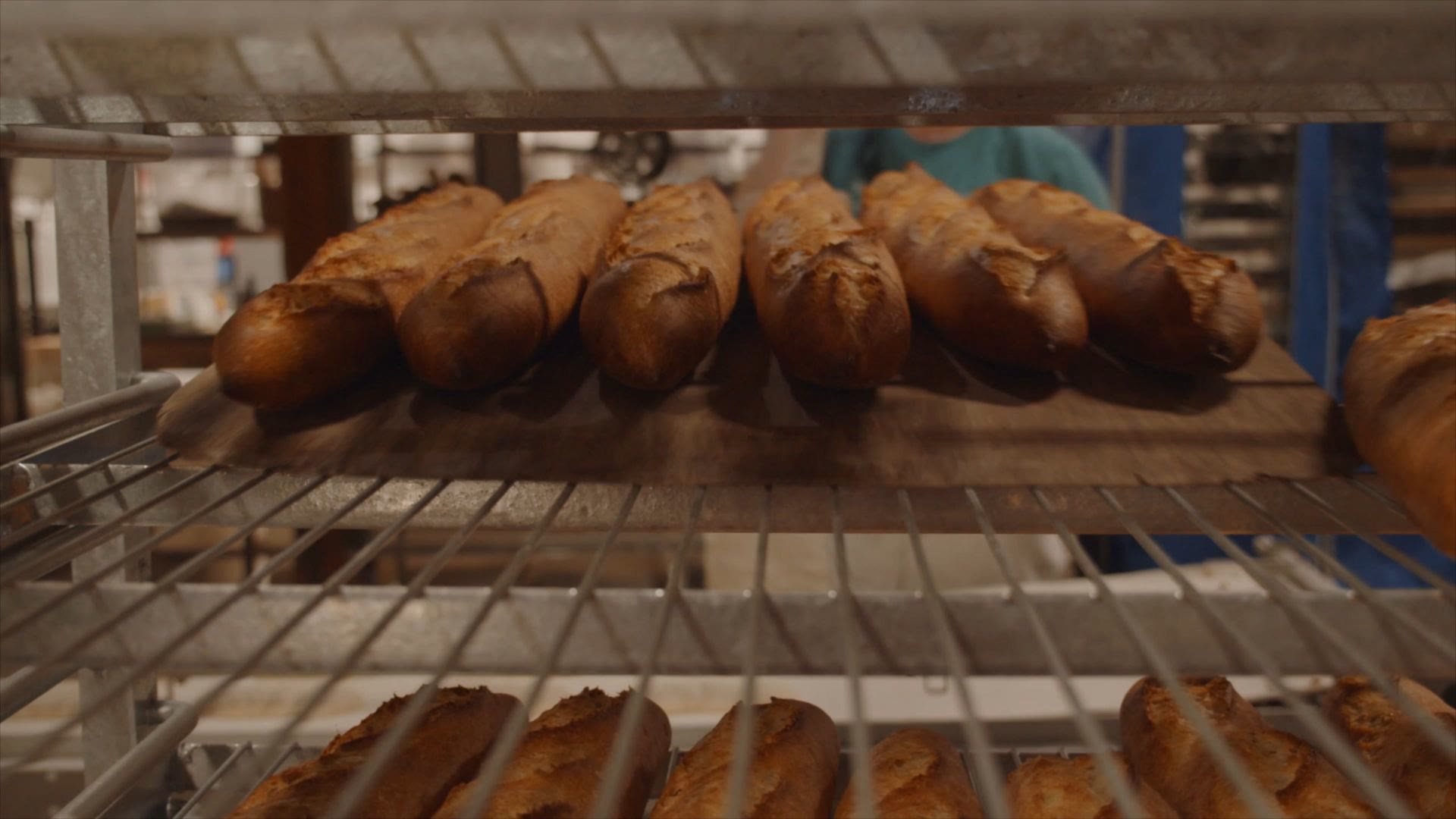
Bake until the crust is a deep brown, darker than feels safe. If you have a probe thermometer, the middle should read about 208 degrees. Most home loaves come out at golden and 195, which looks done and is not.
Then leave it on a rack for two full hours. The crumb is still cooking while it cools. Cut it at twenty minutes and you let out the steam that should have finished the job, and the starch sets sticky instead of springy.
If it smells amazing and you really want to cut it, go for a walk.
Two smaller things that help
- Lower your water by 5 percent while you practice. Wet doughs are lovely and less forgiving.
- Bake the last ten minutes with the lid off and the oven door cracked a finger width, so the crust dries out.
Try it once with the same dough you always make. Darker, then two hours. I would bet a country loaf it fixes most of what you are seeing.